Linking arena concert exit waves to adjacent table game minimum recalibrations and slot bank adjustments in multi-venue resort zones
Kai Koch · Oct 12, 2026
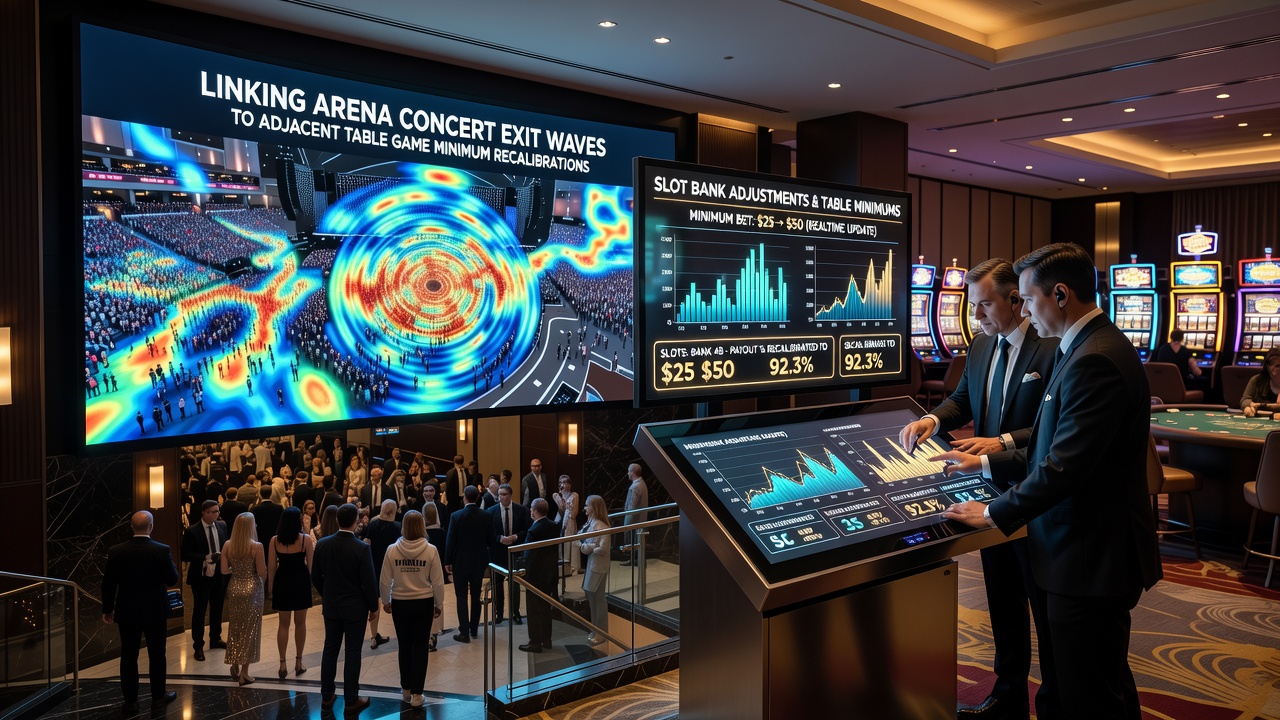
Linking arena concert exit waves to adjacent table game minimum recalibrations and slot bank adjustments in multi-venue resort zones
Integrated resort properties that combine arena venues with gaming floors experience distinct operational patterns when large events conclude, and those patterns often involve rapid shifts in nearby table game minimums along with targeted slot bank reconfigurations. Observers note that exit flows from concerts create temporary surges in foot traffic, prompting floor supervisors to adjust betting thresholds and machine configurations within adjacent zones to match incoming player volumes and preferences.
Concert Exit Patterns and Resort Floor Responses
Data from multi-venue complexes shows that arena events drawing 8,000 to 15,000 attendees generate concentrated departure waves lasting 20 to 40 minutes, with many participants moving directly into connected casino spaces. These movements coincide with measurable changes in table game activity, where minimum bet levels on blackjack, roulette, and craps tables receive recalibrations to accommodate both casual visitors and more experienced players who arrive together. Floor managers monitor real-time occupancy metrics and apply adjustments that lower or raise minimums in specific sections, allowing the property to capture revenue from varied spend levels without creating bottlenecks at high-limit areas.
Slot banks positioned near arena exits undergo parallel modifications during the same windows, with operators shifting machine denominations, altering progressive jackpot linkages, and updating bonus feature frequencies to align with the demographics streaming through the space. Records from properties in Nevada indicate that these recalibrations occur within 15 minutes of peak exit times, reflecting pre-planned protocols tied to event schedules rather than reactive decisions alone.
Table Game Minimum Recalibrations in Practice
Table game minimum adjustments follow documented sequences that begin with crowd density sensors and end with dealer communications about new betting thresholds. When concert attendees reach gaming areas, supervisors often reduce minimums on 20 to 30 percent of tables in the immediate vicinity while maintaining or increasing limits on others to segment player types. This approach appears in operational logs from multiple U.S. resorts, where October 2026 event calendars showed coordinated changes across properties hosting major arena performances.
According to reports from the Nevada Gaming Control Board, such minimum recalibrations correlate with short-term increases in table game handle during post-event periods. The adjustments allow properties to serve both impulse players seeking lower entry points and regulars who prefer established higher-stakes games in less crowded sections of the same pit.
Slot Bank Adjustments and Machine Reconfigurations
Slot banks experience more granular changes than table areas because electronic systems permit quick updates to paytable structures, reel configurations, and promotional linkages. Technicians activate these modifications through central servers, often targeting banks within 50 meters of arena exits to reflect the higher volume of casual players who favor lower-denomination games with frequent bonus rounds. Studies of machine performance data reveal that banks adjusted during exit waves show elevated play rates for 90 to 120 minutes afterward compared to unadjusted banks in more distant sections.
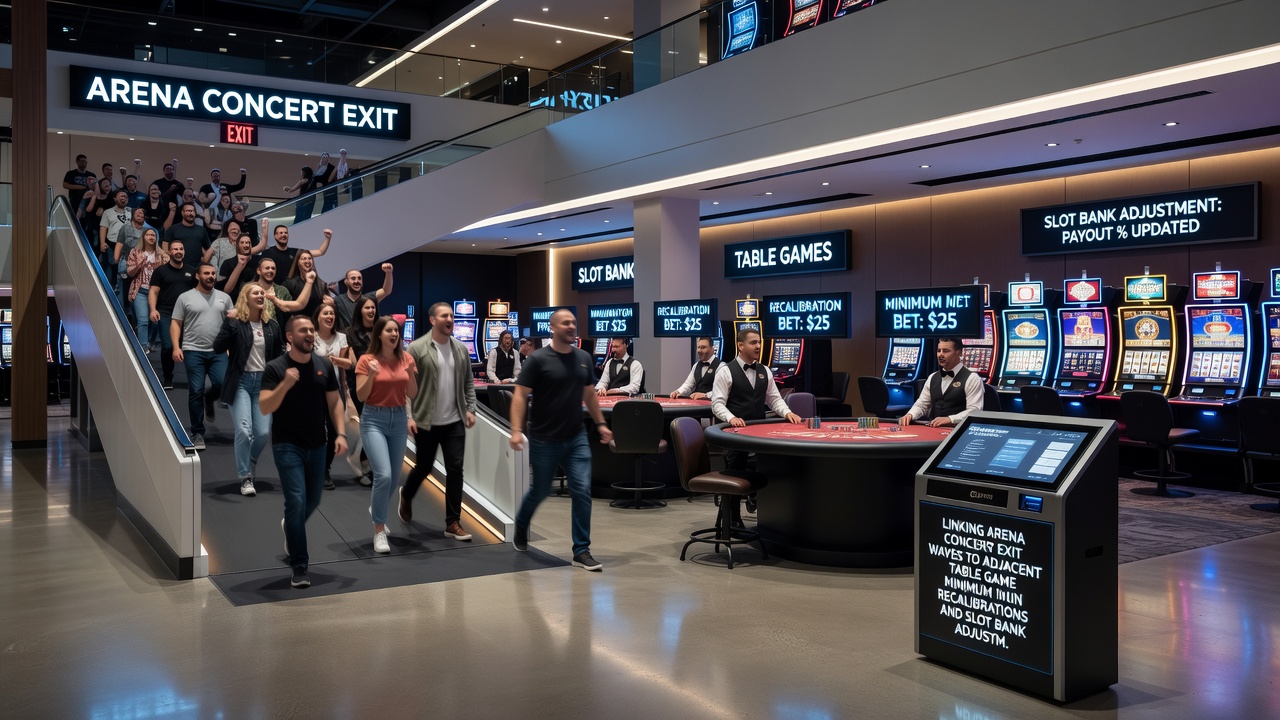
One pattern documented across integrated properties involves linking certain machines to temporary progressive pools that activate only during high-traffic intervals following concerts. This tactic appears in internal reports from operators in multiple jurisdictions and produces measurable upticks in coin-in during the targeted windows. The changes remain reversible, with systems returning to standard settings once exit-related traffic subsides and player composition stabilizes.
Coordination Across Multi-Venue Properties
Properties that operate both arena and gaming facilities maintain cross-departmental communication channels that connect event management teams with gaming operations staff. These channels transmit real-time attendance figures and projected exit timelines, enabling preemptive minimum recalibrations and slot bank adjustments before crowds arrive. Industry records indicate that such coordination reduces the lag between crowd arrival and floor response from an average of 25 minutes to under 10 minutes in optimized settings.
Research conducted by the American Gaming Association on resort operations highlights how these linked adjustments contribute to overall revenue stability during event-driven fluctuations. Properties that apply synchronized changes across table and slot products report smoother handling of mixed player inflows compared to those that treat each gaming category independently.
Conclusion
Patterns linking arena concert exit waves to nearby table game minimum recalibrations and slot bank adjustments reflect established operational practices in multi-venue resort zones. Data from regulatory filings, machine performance logs, and event calendars demonstrate consistent timing and measurable effects on play volumes across multiple properties. These adjustments continue to evolve with advances in real-time monitoring systems and cross-department coordination protocols.