How Maintenance Crew Schedules Shape Electronic Keno Operations in Round-the-Clock Casinos
Olivia Wolf · Aug 11, 2026
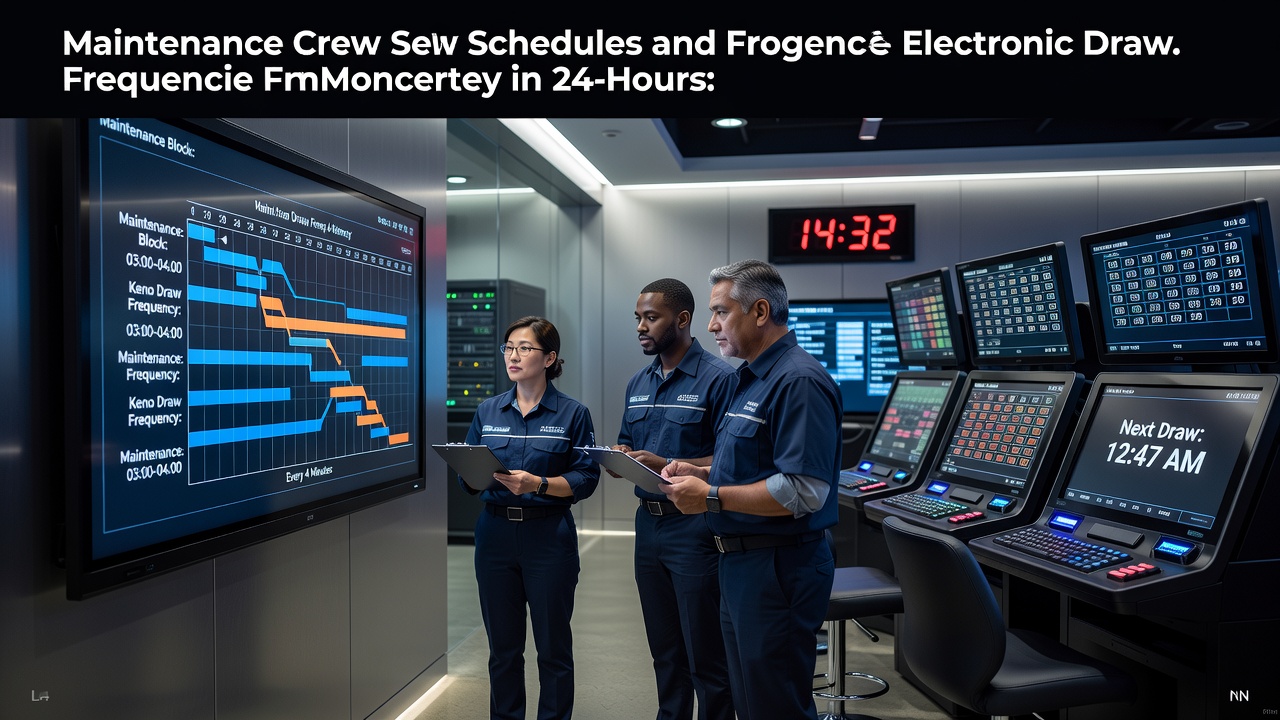
How Maintenance Crew Schedules Shape Electronic Keno Operations in Round-the-Clock Casinos
Electronic keno systems in 24-hour gaming facilities run continuous draws that typically occur every three to five minutes depending on the venue configuration and regulatory requirements. Maintenance crews handle cleaning, hardware checks, and software updates across these same facilities while the property remains open around the clock. Observers note that these two operational streams intersect most visibly during overnight and early morning windows when player traffic drops and facilities can schedule deeper equipment servicing without halting all activity.
Draw Frequency Basics in Continuous Operations
Electronic keno terminals generate random number draws at fixed intervals that operators set according to state gaming rules and internal performance targets. Data from the Nevada Gaming Control Board shows average draw cycles of four minutes in many Las Vegas properties with some locations extending to six minutes during slower overnight periods. These frequencies remain consistent because the games operate on centralized random number generators that do not pause unless a terminal requires physical intervention or regulatory testing.
Facilities maintain logs that track every draw time stamp and any interruptions caused by maintenance or power events. Researchers studying multi-property data sets have found that draw intervals stay stable even when crews work nearby because the systems use redundant servers that isolate individual terminal issues from the broader network.
Maintenance Scheduling Patterns Across Shifts
Maintenance teams in 24-hour casinos typically divide into three overlapping shifts that cover peak evening hours, overnight deep cleaning, and morning system resets. Crews often concentrate major keno terminal work between 3 a.m. and 7 a.m. when fewer players occupy the gaming floor. This timing allows technicians to power down individual machines for firmware checks or hardware swaps while adjacent terminals continue running draws at their normal pace.
One study of integrated resort operations revealed that facilities using staggered crew rotations experienced fewer simultaneous terminal outages compared with properties that scheduled all maintenance during a single overnight block. Supervisors coordinate with floor managers to identify low-traffic zones where keno banks can be serviced without moving players to other areas.
Operational Overlaps and Timing Adjustments
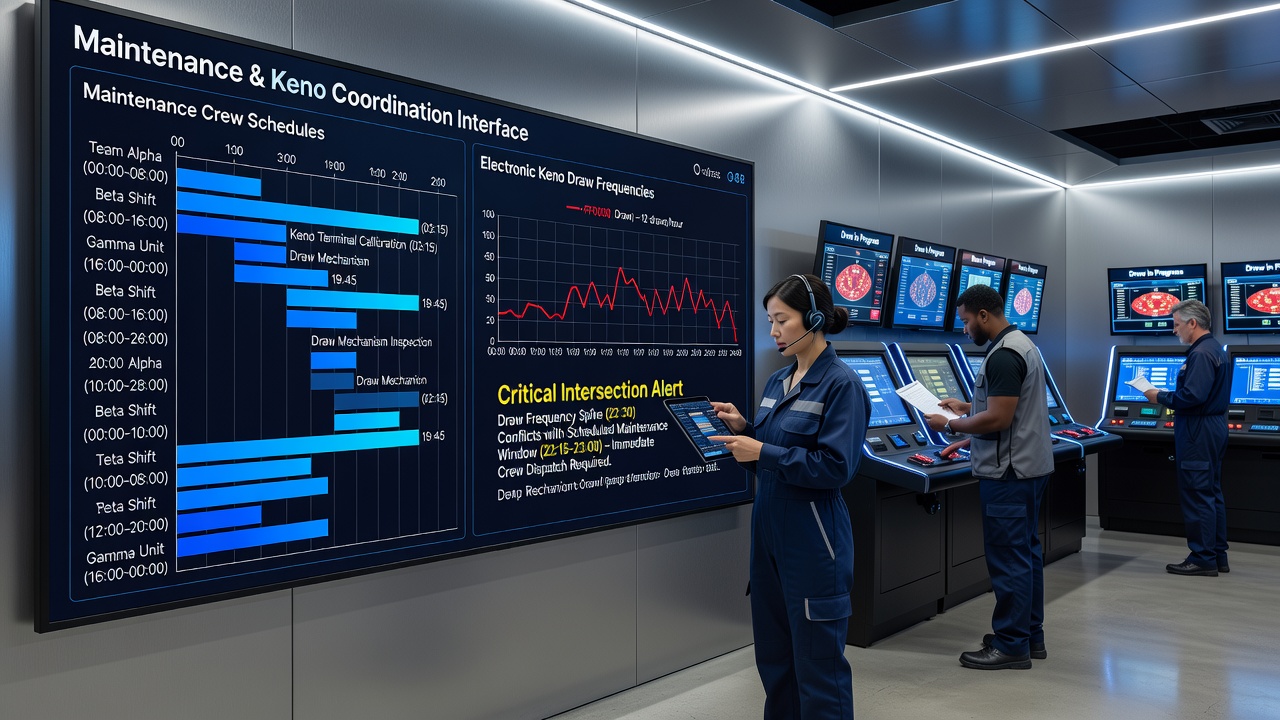
When maintenance windows align with scheduled draw cycles, facilities apply brief terminal pauses that last only as long as the required repair or inspection. Electronic keno platforms allow operators to remove specific machines from the active draw pool without affecting others on the same network. Records from properties in multiple jurisdictions indicate that these targeted pauses average under eight minutes per machine and occur most often on weekday mornings when overall keno play volume sits at its lowest point of the day.
August 2026 data from several large resorts showed that maintenance crews adjusted their start times by thirty to forty-five minutes on days when regulatory testing required broader system access. Those adjustments prevented overlap with peak draw periods that typically run from 8 p.m. to midnight. Coordination between maintenance leads and keno system administrators occurs through shared digital scheduling platforms that flag potential conflicts hours in advance.
Regulatory and Technical Considerations
Gaming regulators require documented procedures for any interruption to electronic draw integrity. Crews must log the exact time a terminal goes offline, the reason for service, and the moment it returns to the active draw pool. These records feed into monthly compliance reports submitted to oversight bodies. Technical standards from equipment manufacturers further specify that keno terminals must complete self-tests after any maintenance before rejoining live draws, adding a fixed verification step that crews build into their workflow.
Facilities in regions outside Nevada follow comparable rules under their own state or provincial frameworks. Reports from the Australian Gambling Research Centre note similar overnight maintenance clustering in large venues where electronic keno terminals run continuously. The shared pattern across jurisdictions centers on minimizing player disruption while satisfying both operational and compliance demands.
Conclusion
Maintenance crew schedules and electronic keno draw frequencies intersect through deliberate timing choices that keep most terminals active while allowing necessary servicing. Data from regulatory filings and operational logs demonstrate that facilities concentrate major work during low-traffic overnight hours and use network-level controls to isolate individual machines when needed. These practices have remained consistent across multiple properties as 24-hour operations continue into 2026.